What to Pack for a Cruise: The Ultimate Checklist
February 2026
Documents and essentials
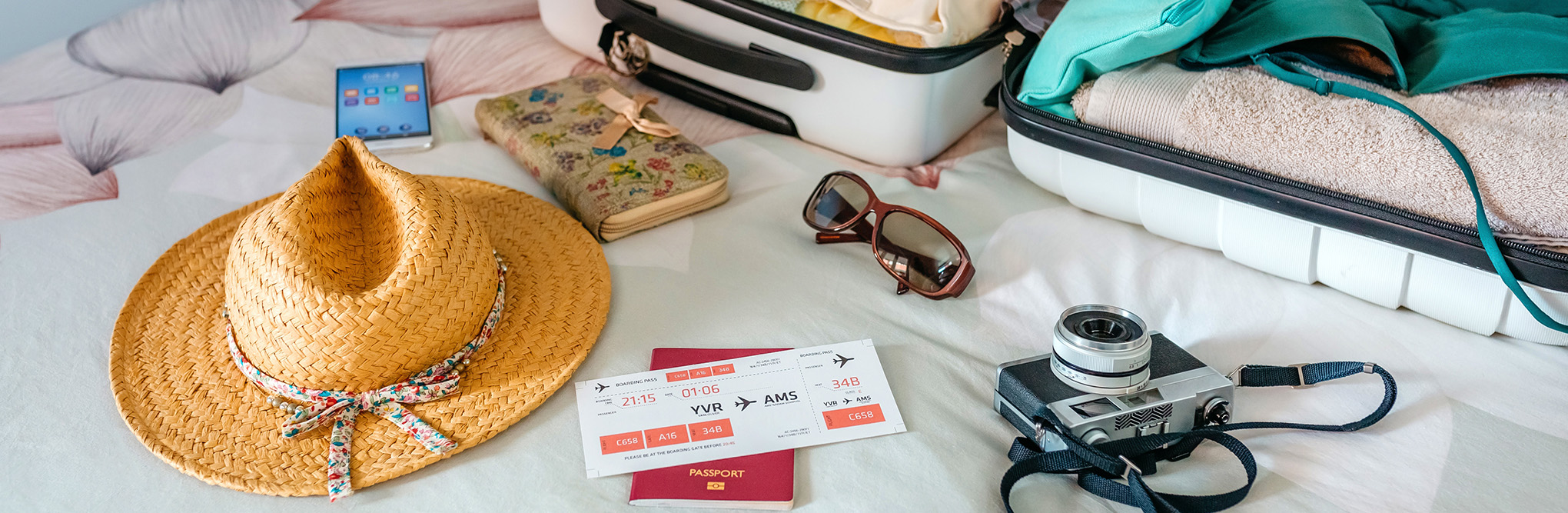
These are the non-negotiables. If you forget your swimsuit, you can buy one onboard. If you forget your passport, you’re not going anywhere.
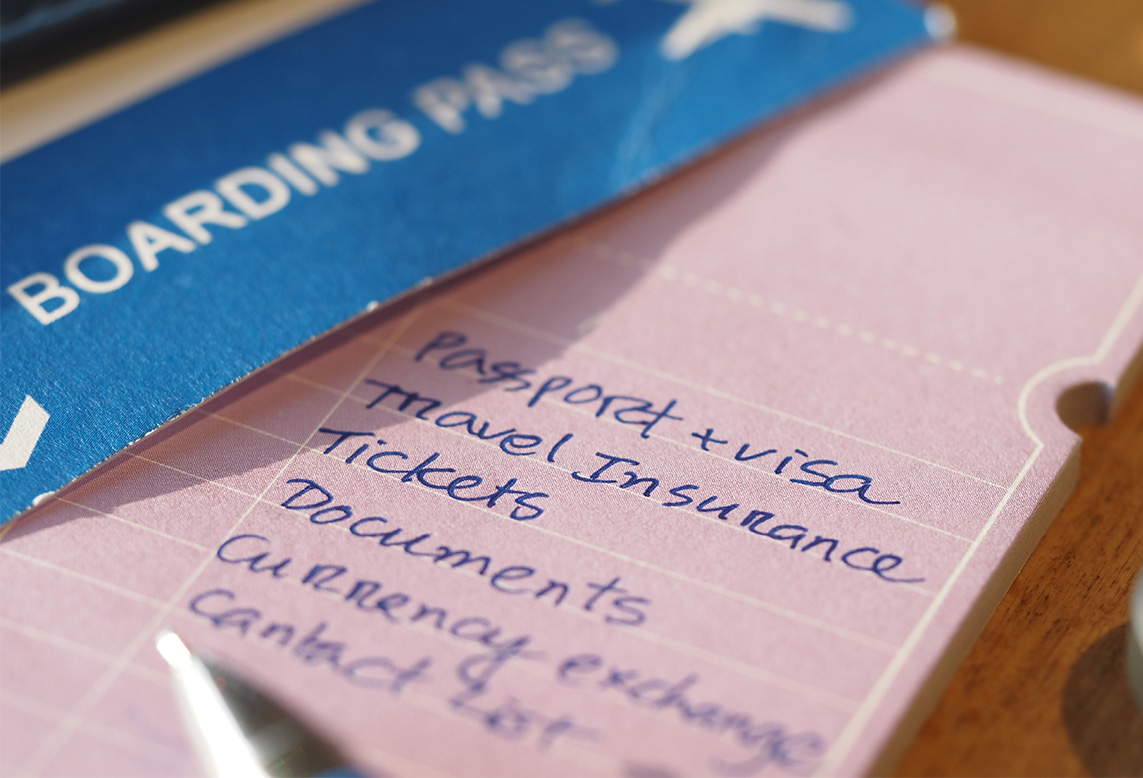
- Passport: Check the expiry date now. Most countries require at least six months’ validity beyond your return date. If you’re cutting it close, renew before you book.
- Visas: Requirements vary by itinerary and nationality. For UK passport holders, most Caribbean and European destinations don’t require advance visas, but some do (India, for instance, requires an e-visa arranged in advance, as do Australia and Vietnam). Your cruise line or travel agent will advise.
- Travel insurance documents: Bring a printed copy of your policy with the emergency contact number. If you need medical evacuation in the middle of the Atlantic, you’ll want that number handy.
- Cruise booking confirmation: Most cruise lines now handle check-in via their app, but bring a printed copy as backup. Apps crash. Phones run out of battery. Paper doesn’t.
Flight tickets and transfer details: If your flights and transfers are booked separately from your cruise, keep all the details together in one folder or wallet. - Copies of important documents: Take photos of your passport, insurance policy, and booking confirmations. Email them to yourself so you can access them from anywhere if the originals go missing.
- Credit and debit cards: Let your bank know you’re travelling to avoid your card being blocked for “suspicious activity” when you try to buy a hat in Santorini. Bring at least two cards from different providers in case one doesn’t work.
- A small amount of local currency: Useful for the first port, for tipping tour guides, or for markets that don’t take cards. Euros, US dollars, or the relevant local currency, depending on your itinerary.
- Prescription medication: Bring enough for the entire trip plus a few extra days, in the original packaging with the pharmacy label. Pack it in your carry-on luggage, not your checked bags.
Clothing: Daywear
During the day, cruise ships are relaxed. Think resort casual. You’ll be moving between the pool deck, the buffet, the spa, and the shore, so comfort is key
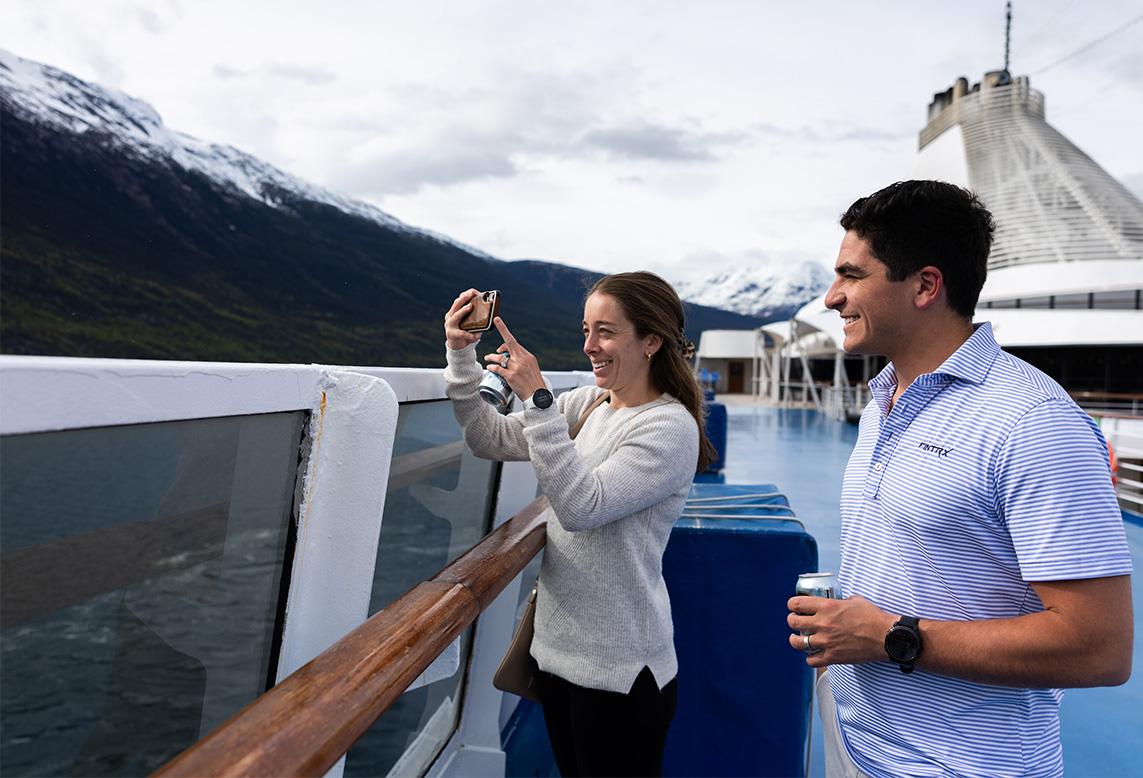
- Shorts: Two or three pairs, depending on the length of your cruise. Lightweight, quick-drying fabrics are ideal for warm-weather itineraries.
- Casual trousers or chinos: For cooler days, air-conditioned restaurants, or ports where shorts feel too casual. Linen or cotton works well.
- T-shirts and casual tops: Enough for one per day, or slightly fewer if you’re happy to re-wear. Breathable fabrics are your friend.
- Light layers: A cardigan, light jumper, or zip-up hoodie. Ships are air-conditioned, theatres can be cool, and sea breezes on deck are bracing even in summer.
- Sundresses or summer dresses: Versatile, packable, and appropriate for everything from breakfast to lunch ashore to drinks on deck. A couple of these do a lot of work in a cruise wardrobe.
- Swimwear: At least two sets, so one can dry while you wear the other. A cover-up or sarong for walking between the pool and your suite is also useful (most cruise lines ask guests to cover up in dining areas).
- Comfortable walking shoes: You’ll do a lot of walking, both on excursions and around the ship. Trainers, supportive sandals, or lightweight hiking shoes depending on your planned activities. Break them in before you travel.
- Sandals or flip-flops: For the pool deck, the beach, and padding around your suite.
- A hat: Sun protection is essential, especially on sea days when there’s no shade. A packable wide-brimmed hat is ideal; baseball caps work too but offer less coverage.
- Sunglasses: The glare off the water can be fierce. Bring a pair you won’t be heartbroken to lose overboard.
Clothing: Evening Wear
Evening dress codes on luxury cruises have relaxed considerably, but most lines still expect guests to “dress for dinner” to some degree. The phrases you’ll encounter are “smart casual”, “elegant casual”, and “formal” or “gala” nights.

Smart Casual / Elegant Casual (Most Evenings)
For women: A nice dress, smart trousers with a blouse, a jumpsuit, or a skirt and top. Nothing too revealing; nothing you’d wear to the gym. Think “upscale restaurant”.
For men: Chinos or smart trousers with a collared shirt (polo or button-down). A blazer or sport coat is optional but adds polish. Some lines accept dark jeans; others don’t. Check your cruise line’s specific guidelines.
Formal / Gala Nights (1-2 Per Cruise)
Most luxury cruises have one or two “dressy” evenings, typically the Captain’s Welcome Dinner and/or a farewell gala. These are optional to attend, but if you want to participate:
For women: A cocktail dress, evening gown, or elegant trouser suit. Heels if you’re comfortable in them; dressy flats are perfectly acceptable.
For men: A dark suit with a tie, or a dinner jacket (tuxedo) if you enjoy going all out. Suit and tie is the norm; black tie is welcome but not required on most luxury lines.
The Cunard exception: If you’re sailing Cunard, formal nights mean proper formal. Dinner jackets for men, long dresses for women. It’s part of the experience, and most guests embrace it enthusiastically.
Dress shoes: At least one pair that works with your evening outfits. Comfortable enough to wear for a few hours of dinner and dancing.
Clothing: Shore Excursions
What you need for excursions depends entirely on what you’ve booked. A walking tour of Rome requires different kit from a snorkelling trip in the Maldives or a glacier hike in Alaska. Think about your specific itinerary and pack accordingly.

- Sturdy walking shoes: Essential for any excursion involving cobblestones, hills, or uneven terrain. Your pool sandals won’t cut it in Pompeii.
- A daypack or small backpack: To carry water, sunscreen, a camera, and anything you pick up along the way. Hands-free is the way to go.
- Modest clothing for religious sites: Many churches, mosques, and temples require covered shoulders and knees. A lightweight scarf or shawl that you can throw over bare shoulders is useful; so are trousers or a midi skirt.
- Water shoes or reef-safe sandals: If your itinerary includes beaches with rocky entries, snorkelling, or water-based excursions.
- A waterproof jacket: Even in the Mediterranean, the weather can turn. A packable rain jacket takes up almost no space and saves a damp afternoon.
Toiletries and Personal Care
Luxury cruise ships provide high-quality toiletries in every suite, so you don’t need to pack full bottles of shampoo and conditioner unless you’re particular about brands. That said, there are some things worth bringing:
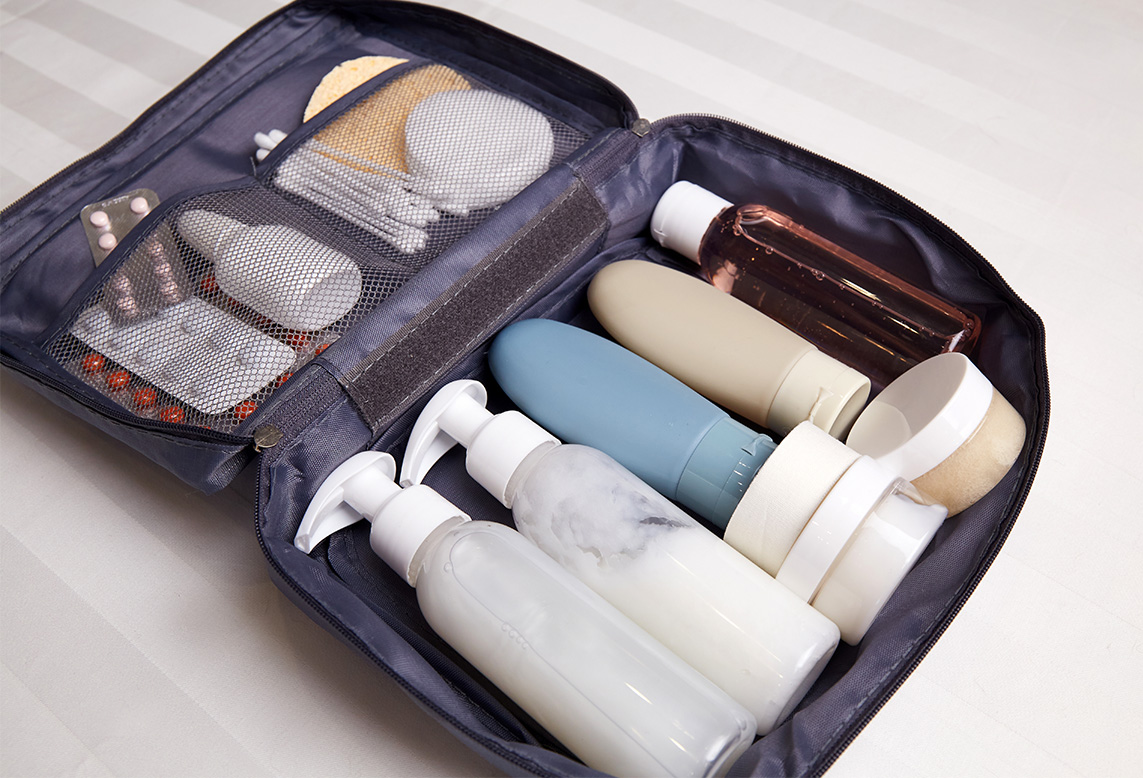
- Sunscreen: SPF 30 or higher. Available onboard, but pricey. Bring your own.
- Aftersun or aloe vera: Just in case.
- Insect repellent: Essential for Caribbean, Mediterranean and tropical itineraries, especially for evening excursions ashore.
- Your usual skincare or haircare: Onboard products are good, but bring your own if you have favourites.
- Prescription medication: In original packaging, in your carry-on.
- Motion sickness remedies: Even if you’ve never needed them. Options include tablets such as Stugeron, wristbands or patches.
- Basic first aid: Plasters, paracetamol, ibuprofen, antihistamines and rehydration sachets.
- Hand sanitiser: A small bottle is useful for excursions.
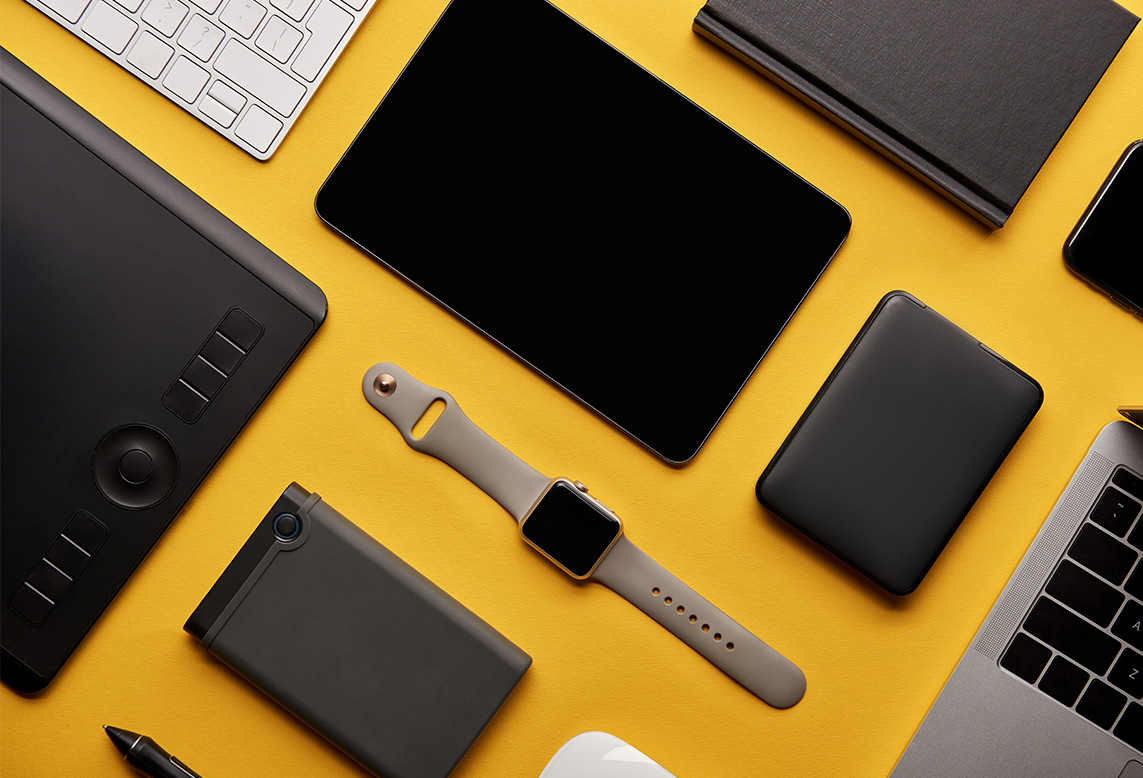
Electronics and Gadgets
- Phone and charger: Obviously. Your phone is your camera, your alarm clock, your boarding pass, and your link to the cruise line app. Don’t forget the cable.
- Portable power bank: Essential for long excursion days. A full phone battery in the morning can be dead by lunchtime if you’re using GPS and taking photos.
- Travel adaptor: Most cruise ships use European two-pin or US-style sockets, not UK three-pin. Check with your cruise line and bring the appropriate adaptor. Some luxury suites have USB charging points, but don’t rely on it.
- Camera: If your phone camera isn’t enough. A compact mirrorless or a good point-and-shoot is easier to manage on excursions than a full DSLR kit.
- E-reader: Sea days are made for reading. A Kindle or similar weighs nothing and holds hundreds of books.
- Noise-cancelling headphones: Useful for flights, for the pool deck, and for drowning out noisy neighbours if you draw the short straw on cabin location.
- Binoculars: Particularly for wildlife-focused itineraries: Alaska, Norway, Antarctica, the Galápagos. A compact pair is fine; you don’t need professional-grade optics.
Cabin Essentials
These are the items experienced cruisers pack to make their suite more comfortable:
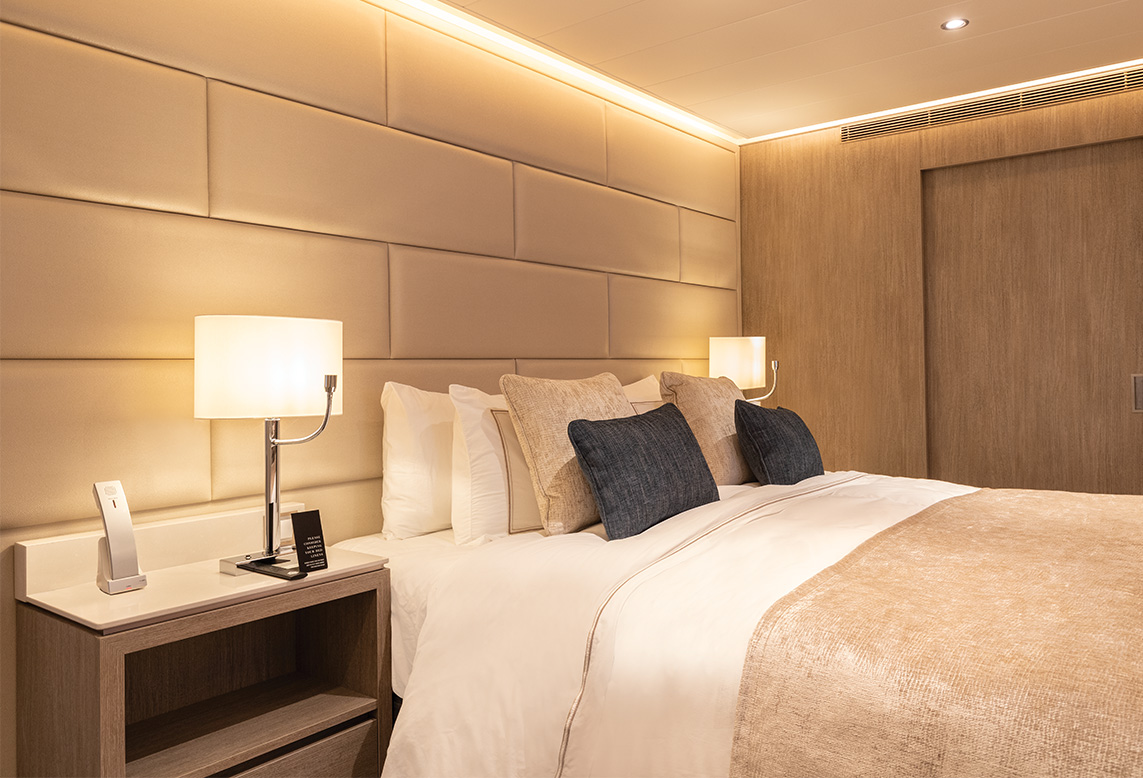
- A small over-door organiser: The clear pocket kind, usually sold for shoes or toiletries. Hang it on the bathroom door for sunglasses, medication, chargers, key cards and other small items. Costs a few pounds and saves rummaging.
- A magnetic hook or two: Cabin walls are steel, so magnetic hooks are perfect for hanging hats, bags, lanyards or wet swimwear without using wardrobe space. Cheap, light and very useful.
- A small nightlight: Cabins can be very dark at night, especially inside cabins. A dim plug-in light makes midnight bathroom trips much easier.
- Packing cubes: Keep your suitcase organised and unpack faster. Also handy for separating clean and worn clothes mid-cruise.
- A reusable water bottle: Refill it at the bar, buffet or via room service. Ideal for excursions and staying hydrated on sea days.
- A lanyard for your key card: Easy to misplace? A lanyard keeps your room key close and out of trouble.
Packing for Expedition Cruises
Expedition cruises to polar regions (Antarctica, the Arctic, Norway, Alaska) or remote destinations (the Galápagos, the Amazon) require a different approach. The key word is layering.
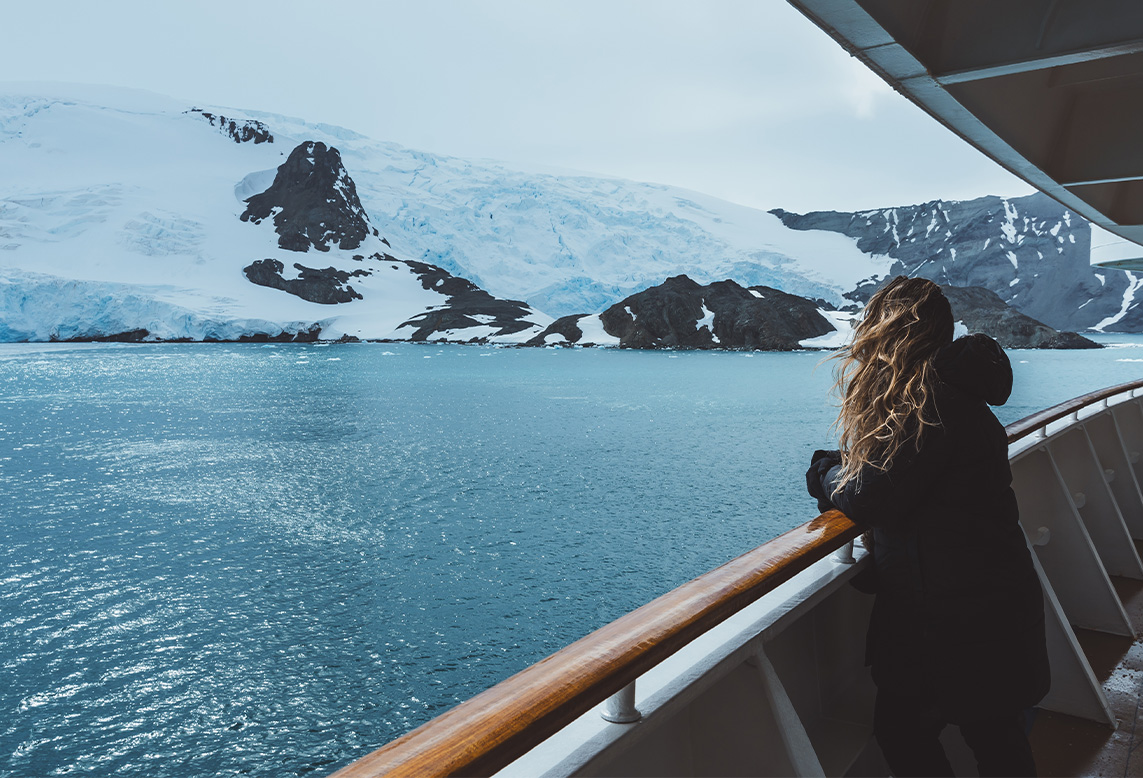
For Polar Expeditions
- Base layers: Thermal tops and leggings in merino wool or synthetic moisture-wicking fabric. You’ll wear these under everything else. Bring at least two sets so you can rotate.
- Mid layers: Fleece jackets, down gilets, or insulated mid-layers that trap heat without bulk. You want to be able to add or remove layers easily as conditions change.
- Outer layer: A waterproof, windproof jacket is essential. Many expedition lines (Silversea, Hurtigruten, Seabourn) provide a complimentary parka as part of the voyage; check with your cruise line before buying one. If you need to supply your own, go for breathable, high-quality outerwear.
- Waterproof trousers: For Zodiac landings and wet conditions. Over-trousers that you can pull on over your regular clothes are ideal.
- Warm hat: Covering your ears. A significant amount of heat escapes through your head.
- Neck gaiter or balaclava: For face and neck protection in biting wind.
- Gloves: Waterproof outer gloves plus thin liner gloves for dexterity when handling cameras.
- Warm socks: Wool or thermal hiking socks. Bring several pairs.
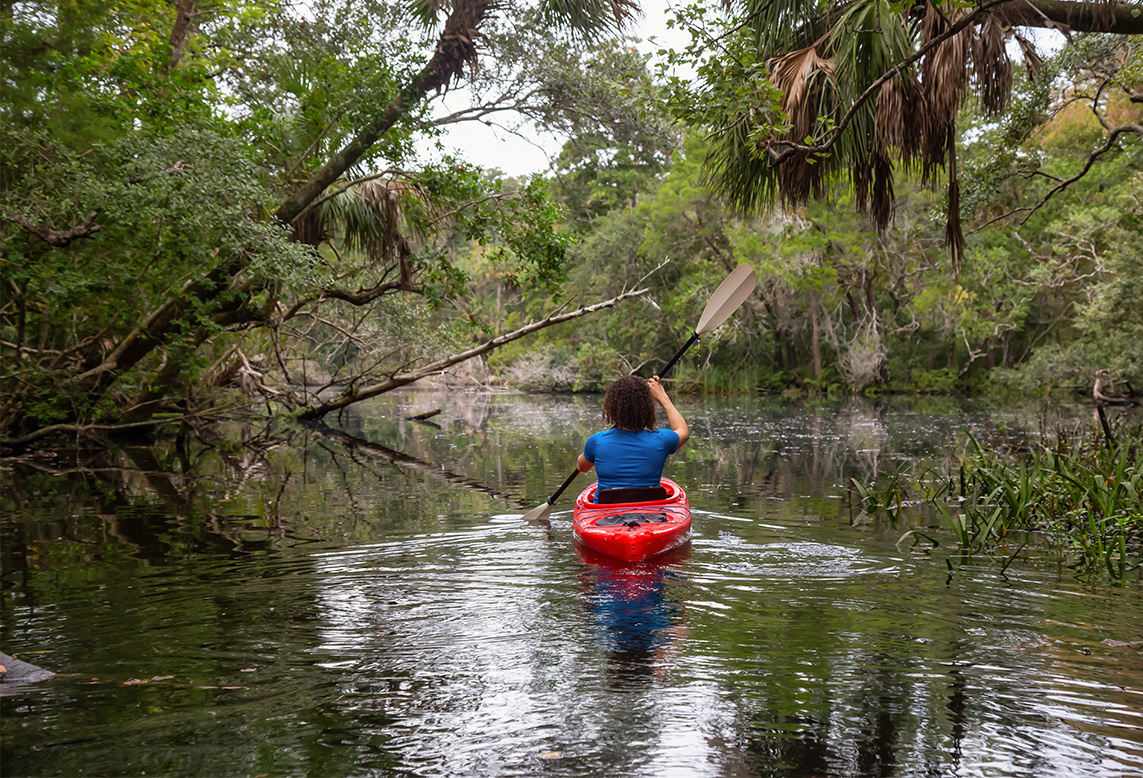
For Tropical Expeditions (Galápagos, Amazon, etc.)
- Lightweight, breathable clothing: Long-sleeved shirts and trousers to protect against sun and insects. Light colours are cooler and attract fewer mosquitoes.
- A broad-brimmed hat: Essential sun protection.
- Water shoes or sturdy sandals: For wet landings and rocky beaches.
- Strong insect repellent: DEET-based or equivalent. Tropical regions can be merciless.
- Snorkelling gear: Many expedition ships provide this, but if you have your own mask that fits well, bring it.
- Binoculars and camera: Wildlife watching is the point of these voyages. Good optics and a decent zoom lens make a difference.

Packing for River Cruises
- River cruises are generally more casual than ocean cruises, with fewer formal nights (often none at all) and a greater emphasis on daytime excursions.
- Comfortable walking shoes: You’ll be on your feet a lot. Most river cruise excursions involve walking tours of cities and towns.
- Smart casual evening wear: Similar to a luxury ocean cruise, but typically less formal. A nice dress or smart trousers with a blouse for women; chinos and a collared shirt for men. Jackets and ties are rarely required.
- Layers: River valleys can be surprisingly cool in the mornings and evenings, even in summer. A light jacket or cardigan is essential.
- Rain gear: Rivers mean water, and water means unpredictable weather. A compact umbrella and a waterproof jacket are wise.
- A smaller suitcase: River cruise cabins tend to be more compact than ocean cruise suites, with less storage space. Pack lighter than you would for an ocean voyage.
Items First-Timers Often Forget
This is the list that separates experienced cruisers from novices. Don’t learn these lessons the hard way:
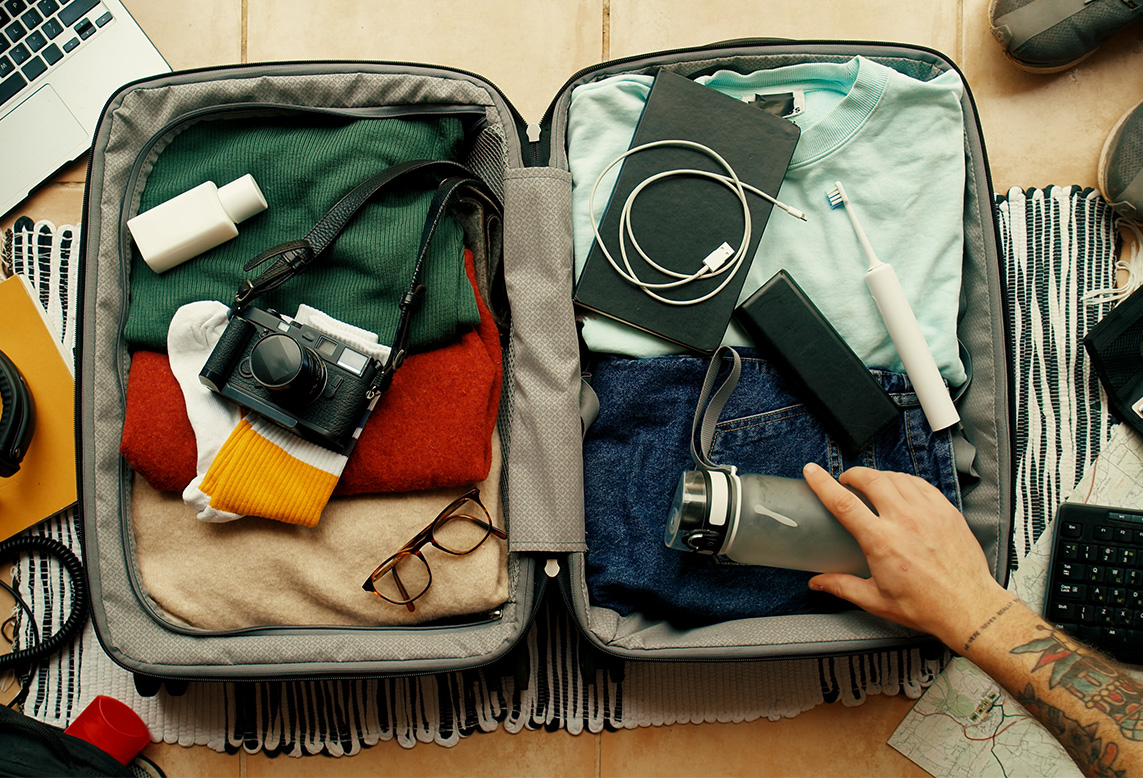
- Formal night shoes: Everyone remembers the dress. Half of first-timers forget the shoes to go with it.
- A light jacket for sea days: The wind on an upper deck can be fierce, even in the Caribbean. That sundress won’t cut it.
- Something to wear between the pool and your cabin: A cover-up, a sarong, or a casual dress. You can’t walk through the buffet in a bikini.
- Seasickness remedies: Even if you’ve never been seasick. The ship’s medical centre sells them, but at 2am when you’re feeling queasy, you’ll wish you had some in your cabin.
- A pen: For filling in customs and immigration forms. There’s always one form, and there’s never a pen.
- Modest clothing for religious sites: That strappy sundress won’t get you into St Peter’s Basilica.
- A travel adaptor: UK plugs don’t fit ship sockets. Check what you need.
- Copies of your documents: Digital and paper. If your passport goes missing in Barcelona, a photocopy makes the replacement process much faster.
What NOT to Pack
- Cruise lines have restrictions, and some items will be confiscated at embarkation:
- Irons and steamers: Fire hazards. Not allowed on any cruise line. Use the ship’s laundry service or hang wrinkled clothes in a steamy bathroom.
- Candles and incense: Fire hazards. Leave them at home.
- Surge protectors and extension leads: Many cruise lines prohibit these due to fire risk. Some allow non-surge-protected power strips; check your specific cruise line’s policy.
- Drones: Banned on most cruise ships and in many ports. If you’re a serious drone enthusiast, check the policy before packing.
- Alcohol: Most cruise lines prohibit bringing alcohol onboard (with some exceptions for wine purchased in port). On luxury all-inclusive lines where drinks are included anyway, there’s no point.
- Too much: You don’t need an outfit for every possible scenario. You’re on a ship, not a deserted island. Most luxury cruise lines offer laundry and pressing services (often complimentary in higher suite categories). Pack smart, not heavy.
Final Packing Tip
- Pack a carry-on with essentials. Your checked luggage goes through security and is delivered to your cabin later in the day, sometimes not until mid-afternoon. Pack a carry-on bag with anything you’ll need immediately: medication, a change of clothes, swimsuit, sunscreen, phone charger, and your travel documents.
- Put a luggage tag on everything. Your cruise line will send luggage tags before departure. Attach them before you reach the port, or you’ll be fumbling with sticky labels in the terminal.
- Leave room for souvenirs. You will buy things. You will need space for them. Pack 80% of your suitcase’s capacity and leave the rest for acquisitions.
- Wear your bulkiest items. Flying to your embarkation port? Wear your heavy jacket and walking shoes on the plane. They’ll take up too much suitcase space otherwise.
- Check your cruise line’s specific policies. Every line has slightly different rules on dress codes, prohibited items, and what’s provided onboard. A quick look at their website before you pack will save surprises at embarkation.
Ready to Pack?
Packing for a cruise doesn’t need to be stressful. Bring the essentials, dress for the occasion, pack for your specific itinerary, and remember that anything you forget can usually be bought or borrowed.
The most important things you can bring are your passport, your sense of adventure, and a willingness to relax. Everything else is details.
Planning your first luxury cruise? Read our complete first-timer’s guide, browse our latest cruise deals, or explore cruises from the UK. To speak to one of our Voyage Consultants, call 0800 008 6677 or get in touch online.
Last updated: February 2026